How to Plan a Corporate Menu for Guests With Different Diets
Planning corporate catering in London for different diets calls for food guests look forward to eating and clear answers about its suitability. Dietary requirements are non-negotiable, so agree on suitable dishes with your caterer and confirm how the team will prepare and serve them. Every guest should receive the same care throughout the occasion. Moving Venue uses the 14 UK allergens as a matrix.
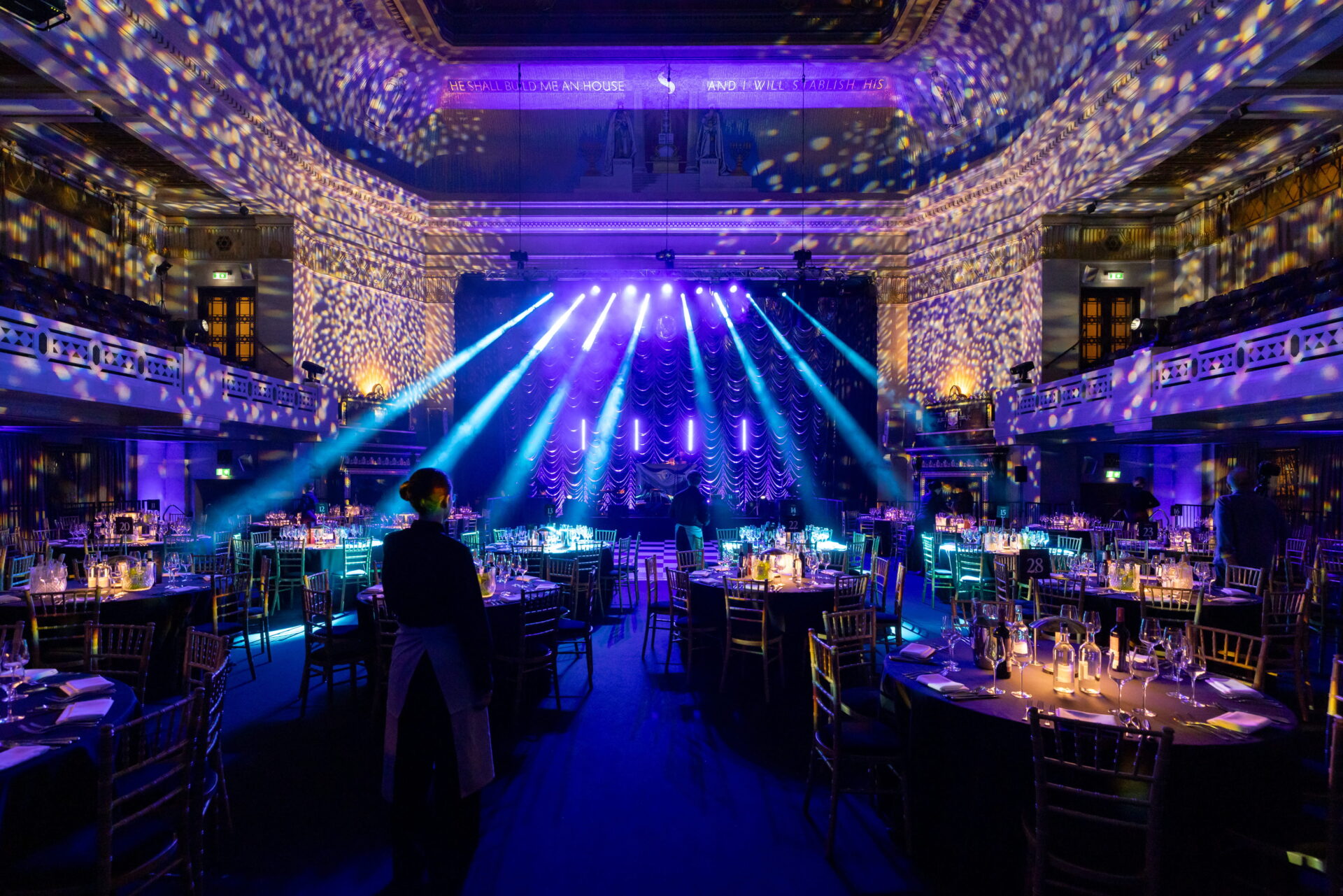
At the One Young World opening party at the Natural History Museum, we served chickpea-and-lentil curry and burrito bowls as part of a vegetarian and vegan-friendly menu for 2,400 guests. The menu gave guests a choice of dishes as they moved through the museum, embedding the food directly within the experience.
Flavour and presentation matter
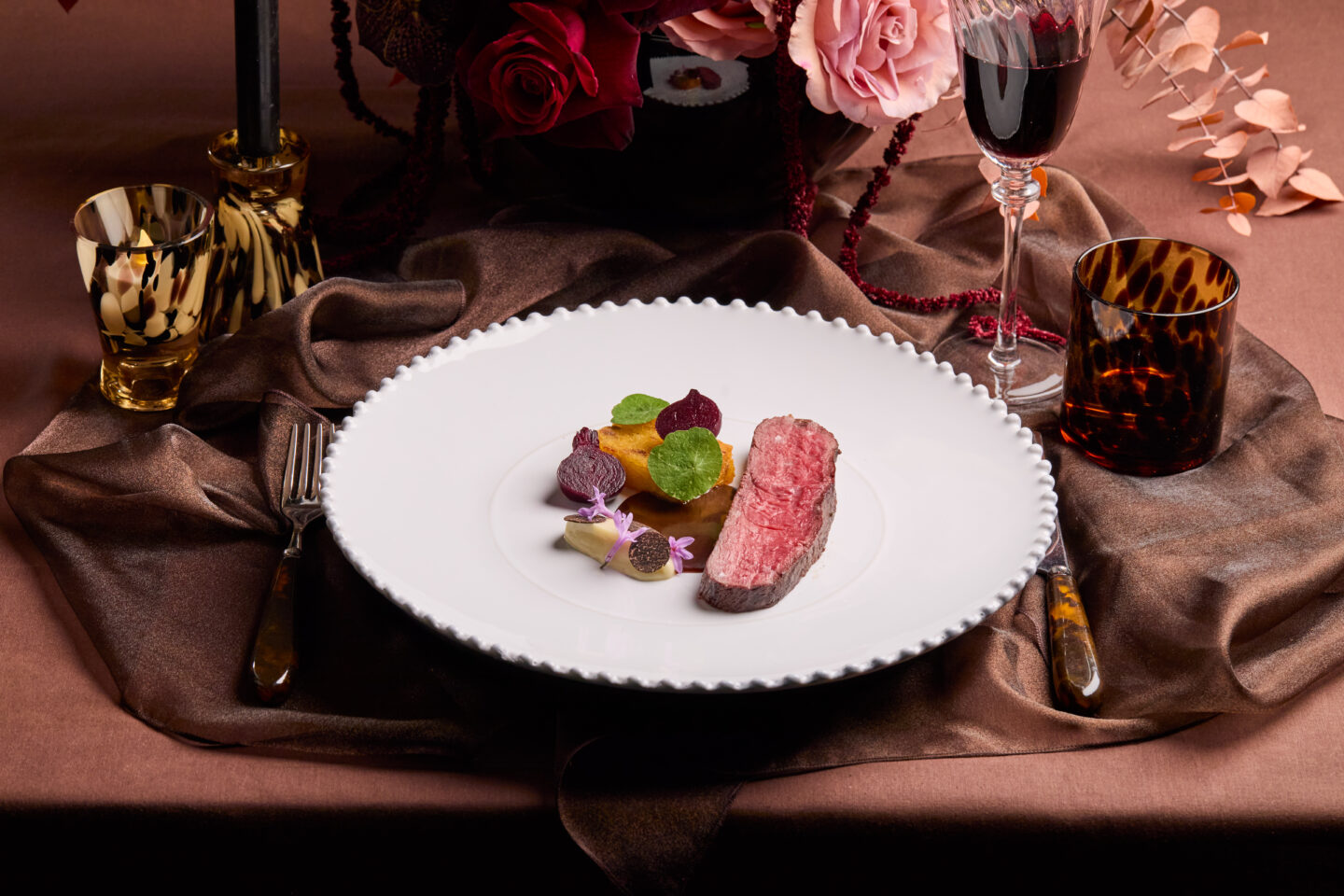
A dietary requirement influences the ingredients a chef can use and how they prepare a dish. But the dish still needs balance, flavour, and enough substance to satisfy the guest.
“If we can maintain the quality of a dish while reducing the number of allergens, we’ll always look for ways to do so. For example, we use gluten-free soy as standard wherever possible, helping to make our menus more inclusive and reducing the need for dietary adaptations.” – Steve Williams, Senior Kitchen Manager, Moving Venue
When you review the menu, consider everything guests will eat during the event. Someone who has a suitable main course also needs appropriate choices during the arrival reception and when dessert arrives. Include refreshments and drinks in that conversation, particularly at conferences where guests may stay throughout the day.
Our Autumn Winter 2026 menus include roast hispi cabbage with pumpkin seed créma and smoky salsa macha. The créma brings richness, while the salsa adds heat alongside the vegetable. Our plant-based mushroom ramen offers another combination of textures and flavours, with noodles, mushrooms and sesame cucumber.
When dietary dishes are so appealing, guests who eat meat may choose a plant-based bowl because they like the sound of it, so the number of vegetarian or vegan RSVPs alone may give an incomplete picture of demand. Discuss how many servings to provide and how the team will reserve any meals intended for particular guests. Most caterers require dietaries in advance. Moving Venue requests these at least 10 days in advance to allow time for ordering and preparation.
Different diets can overlap in one dish
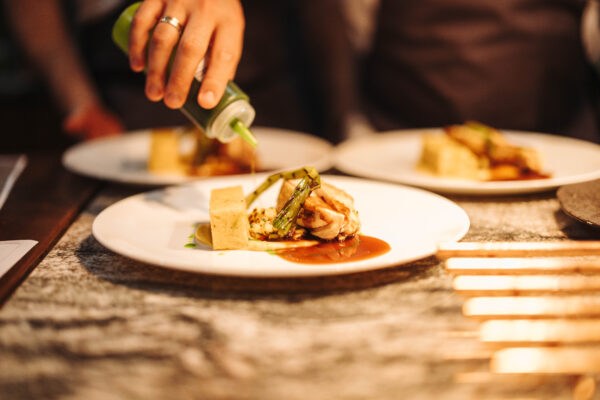
A variety of dietary needs doesn’t necessarily mean you need a larger menu or more variety. One dish may suit guests with different dietary needs. Of course, the caterer still needs to check each person’s requirements, including any combination of allergies and other restrictions.
Our mushroom ramen illustrates this. It provides a plant-based choice and includes sesame, so a guest who follows a vegan diet and has a sesame allergy needs another suitable option. Separate headcounts for vegan guests and guests with allergies would miss that detail.
Vegan food can also come into contact with milk or egg during production or preparation. The Food Standards Agency’s guidance explains why vegan labelling alone can’t establish suitability for someone with those allergies. Ingredient information and preparation arrangements are crucial.
How to brief corporate catering services for special diets
Rather than grouping all requirements, give your caterer individual guest names and dietaries, including:
- The specific foods or ingredients each guest needs to avoid i.e. pescatarian, vegan, vegetarian.
- Whether the guest describes an allergy, intolerance, coeliac disease, or another requirement.
- Any overlapping dietary needs.
- Details that need clarification with the guest.
Religious requirements such as Halal and Kosher also need that individual conversation. Discuss sourcing, preparation, and any certification the guest requires, so the catering team can confirm appropriate arrangements.
Collecting this information with RSVPs gives the team time to review it and raise questions. Agree a final deadline with your caterer, nominate one person to communicate updates and keep the list current. Your role is to pass on accurate information so the catering team can assess the menu and clarify details with guests.



What your corporate caterer should confirm
Your catering partner should explain which dishes they can provide and how they will manage preparation and service at your event. Their answer needs to account for the venue’s facilities and each guest’s requirements.
Useful questions include:
- Who reviews individual requirements and confirms suitable dishes?
- How do the chefs check ingredients, including sauces, dressings and garnishes?
- How does the caterer manage allergen cross-contact during preparation, transport, and service?
- What written information will guests and servers have, and who will answer questions on the day?
The FSA recommends written allergen information supported by a conversation for non-prepacked food. That recommendation describes best practice; food businesses must also meet the legal requirements for providing information about the regulated allergens they use.
Your caterer also needs to explain any limits. A shared kitchen, particular preparation method, or service arrangement may affect what the team can provide. If they cannot provide food that meets a guest’s requirements, they should say so before you agree to the menu.
Agree those arrangements before the event, giving the catering team time to resolve questions. Moving Venue uses an allergen matrix for each dish.
When guests move between rooms
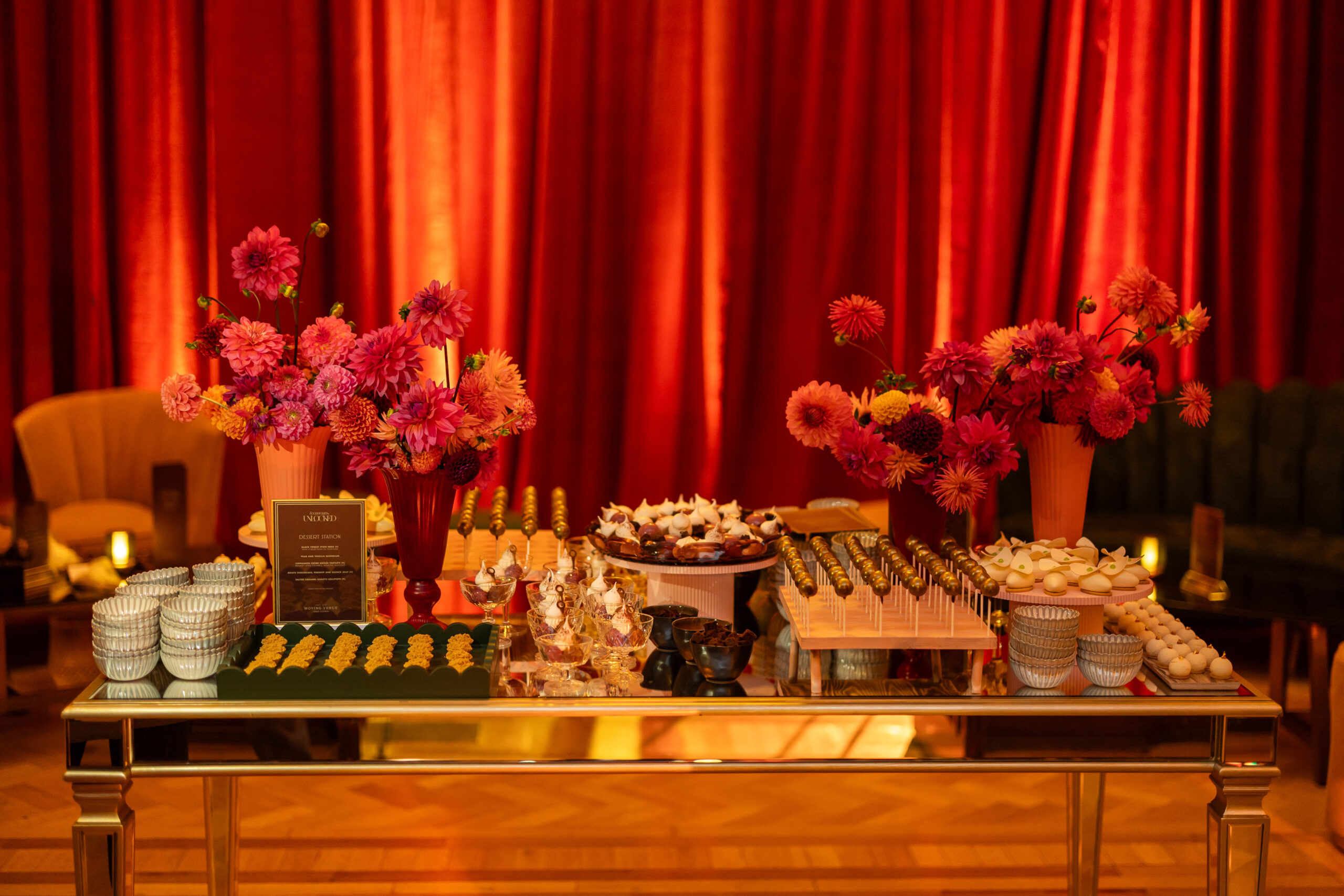
At 60 Great Queen Street, where Moving Venue is the exclusive caterer, the spaces allow different parts of an event to take place in different rooms. For the Unlocked showcase, we followed dinner with a dessert station in the Long Room.
For an event with individual dietary arrangements, a move like this creates another point for the teams to coordinate. The staff serving dessert need the relevant information, and guests need to know whom to approach in the next room.
Include those transitions when discussing the service plan with your caterer and London venue. The same applies when a conference moves into an evening reception, and so on.
For larger-scale events where there are thousands of guests and food stations, it can be wise to have a special dietary food station to make it easier for guests and staff to navigate.
What happens when plans change?
A late RSVP, an additional dietary requirement, or an ingredient substitution can change the arrangements you have agreed. Even a different dressing or garnish may affect a dish’s suitability.
Keep one channel for updates so the organiser, venue and catering team work from the same information. If a guest tells you about a change, pass the details to the responsible catering lead and ask them to confirm what the team can provide.
The same care applies to changes within the menu. The kitchen needs to review substitute ingredients and update the relevant allergen information before the team offers the dish. The FSA specifically highlights the need to keep ingredient records current when recipes change.
Timings and room changes can affect service too. If the programme moves or guests arrive later than expected, confirm how they will receive their food and which staff member will coordinate it.

A menu your guests can enjoy with confidence
Good dietary catering brings suitable food, thoughtful menu choices, and informed service together. Your guests should know what they can eat and have a meal to enjoy alongside everyone else.
Frequently asked questions
Can one menu cover several dietary requirements?
Some dishes can meet several requirements, while other guests need individual alternatives. Ask the caterer to assess each person’s complete requirements against the ingredients, preparation and service arrangements. As a standard, Moving Venue caters for hundreds of thousands per year, and can adapt to meet allergen, dietary, and religious needs.
Is vegan food suitable for someone with a milk allergy?
Vegan labelling alone cannot confirm suitability. Cross-contact with milk can occur during production or preparation, so the catering team needs to check the relevant ingredient and allergen information.
Can guests with allergies eat from a buffet?
Discuss the individual’s requirements with the caterer. The answer depends on the dishes, preparation and serving controls. Ask whether the team recommends an individually served meal and how the guest will receive it. Guests can refer to the menu or tent cards for allergens, or they can ask the staff at the food station.
When should we send dietary requirements to our caterer?
Collect them with RSVPs and agree the final deadline when planning the event. Send additional information as soon as you receive it, giving the catering team time to review changes and confirm suitable menu and service arrangements. The Moving Venue deadline for dietaries is 10 days ahead of the event, but if you already know you’ll have a large percentage of coeliac or dairy-free guests, etc., you should advise as part of your catering brief.
What happens if a guest reports an allergy on the day?
All of our Moving Venue senior staff can assist on the day. The team will check the requirement against current food and preparation information, then confirm before offering a dish.